

Convert Your Press. Protect Your Production.
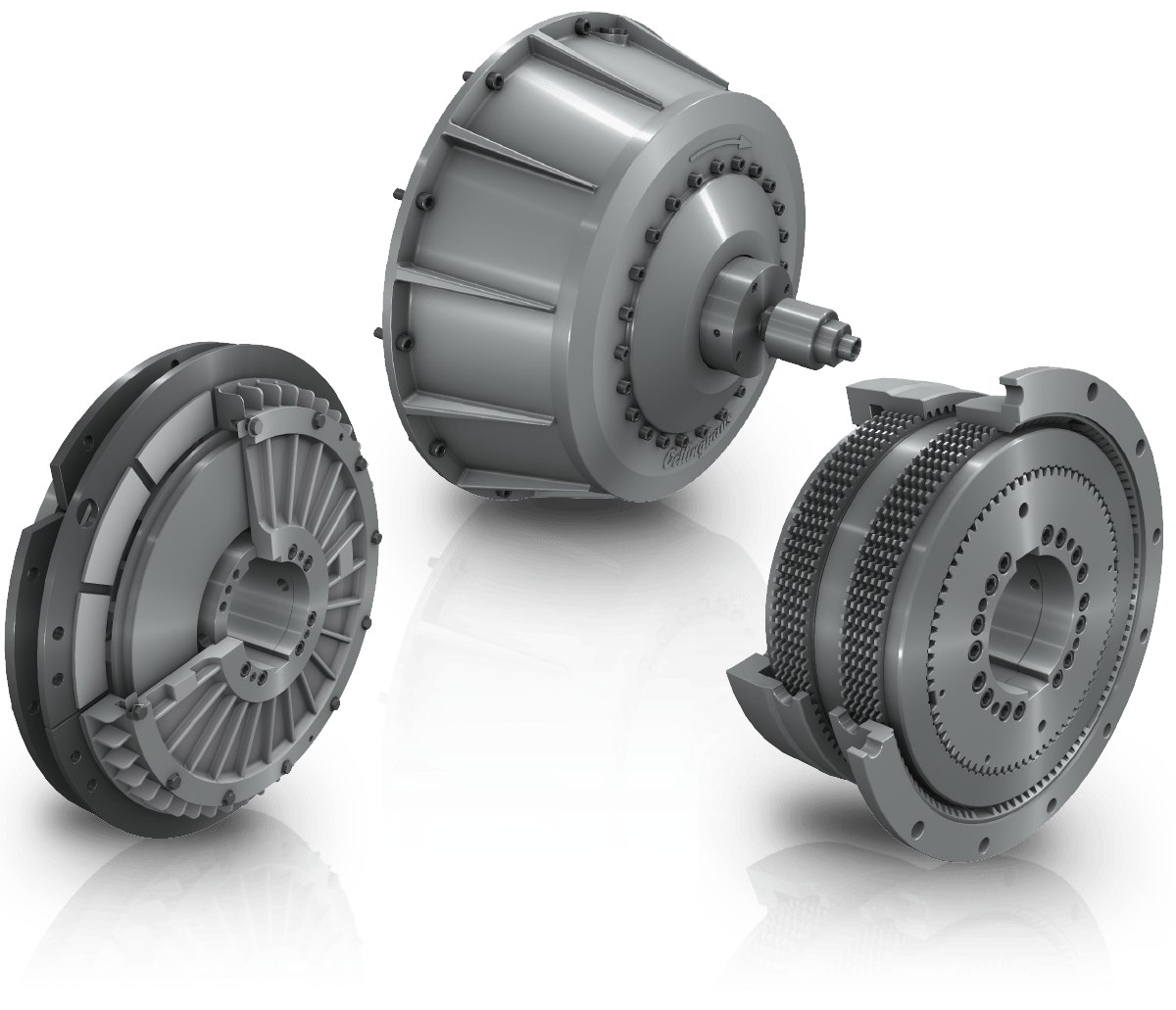
Upgrade to Ortlinghaus Clutch & Brake Systems
The Clutch/Brake Is the Heart of Your Press.
When it fails, everything stops.
Many stamping and forging presses in operation today are 20, 30, even 40+ years old. The frames are still solid. The drive trains are durable. But the original clutch/brake systems are often:
- Obsolete
- Hard to service
- Inconsistent in stopping performance
- High maintenance
- Unsafe due to worn linings or outdated designs
When productivity suffers — or safety becomes unpredictable — it’s time to convert.
What Is a Clutch/Brake Conversion?
A clutch/brake conversion replaces your existing competitive unit with a modern, high-performance Ortlinghaus system.
Conversions can include:
- Replacing combined clutch/brake units
- Replacing separate clutch and brake systems
- Relocating from crankshaft to backshaft
- Upgrading from pneumatic to hydraulic
- Updating flywheel, bracket, or shaft interfaces
The goal? Deliver near-new-press performance — at a fraction of the cost of replacement.
Why Convert to Ortlinghaus?
-
Restore Predictable Stopping Performance
In stamping and forging, stopping time and stopping angle matter.
Worn or inconsistent clutch/brake systems create:- Extended stopping times
- Variable stopping angles
- Increased die damage
- Safety risks
Ortlinghaus systems deliver:
- High brake torque with consistent response
- Faster, repeatable stopping
- Improved integration with press safety valves
- Better compliance with modern safety expectations
-
Increase Productivity Without Buying a New Press
Case studies show dramatic gains in performance following conversion.
Benefits include:- Higher strokes per minute
- Faster cycle times
- Improved acceleration and deceleration
- Reduced clutch slip
- Reduced heat buildup
You keep your existing press structure — and dramatically upgrade its heart.
-
Eliminate Obsolete Parts Risk
Many competitive clutch/brake systems:
- Have long lead times
- Use discontinued components
- Require expensive OEM-only service
Ortlinghaus offers:
- Global support
- Long-term parts availability
- Modular friction systems
- Clear documentation and TPI support
-
Lower Maintenance. Higher Uptime.
Depending on application severity, Orttech will recommend:
- Pneumatic systems for cost-effective, long-life applications
- Hydraulic systems for high-energy, aggressive stamping or forging
We don’t guess. We size correctly based on tonnage, stroke, SPM, energy requirements, and working distance.
Pneumatic or Hydraulic? We Engineer the Right Solution.
Pneumatic (Series 0420, 0406, 0400)
- Lower initial investment
- Excellent for moderate stamping
- Reliable and easy to maintain
- Works with existing plant air (when properly evaluated)
Hydraulic (Series 0123, 0023)
- Superior torque density
- Ideal for forging, deep draw, snap-thru
- Lowest maintenance in aggressive applications
- Controlled oil actuation and cooling options
Your press. Your production goals. Your duty cycle. We engineer accordingly.
The Orttech Advantage: Engineering That Makes Conversion Easy
This is where competitors fall short.
The performance of the clutch/brake is a function of installation design.
Orttech provides:
-
Full Press Survey & Application Analysis
We evaluate:
- Tonnage
- Stroke & rating point
- Continuous and single stroke speeds
- Gear ratios & inertia
- Flywheel capacity
- Motor data
- Special conditions (forging impact, snap-thru, deep draw)
-
Shaft & Mounting Design
We engineer:
- Keyway stress analysis
- Locking device sizing (Ringfeder / B-Loc)
- Shaft drilling for air or oil
- Runout & axial float tolerances
-
Flywheel & Plate Interface Design
- 2-point, 12-point, or friction block suspension
- Cooling airflow management
- Proper axial positioning
- Adaptor design when needed
-
Brake Bracket Engineering
- Frame-mounted or shaft-mounted
- Reaction force management
- Deflection control
- Seal and cover integration
-
Controls & Safety Integration
The clutch/brake must integrate with:
- Flywheel subsystem
- Drive train
- Controls subsystem
- Press safety valve
All systems must work together seamlessly
We ensure they do.